

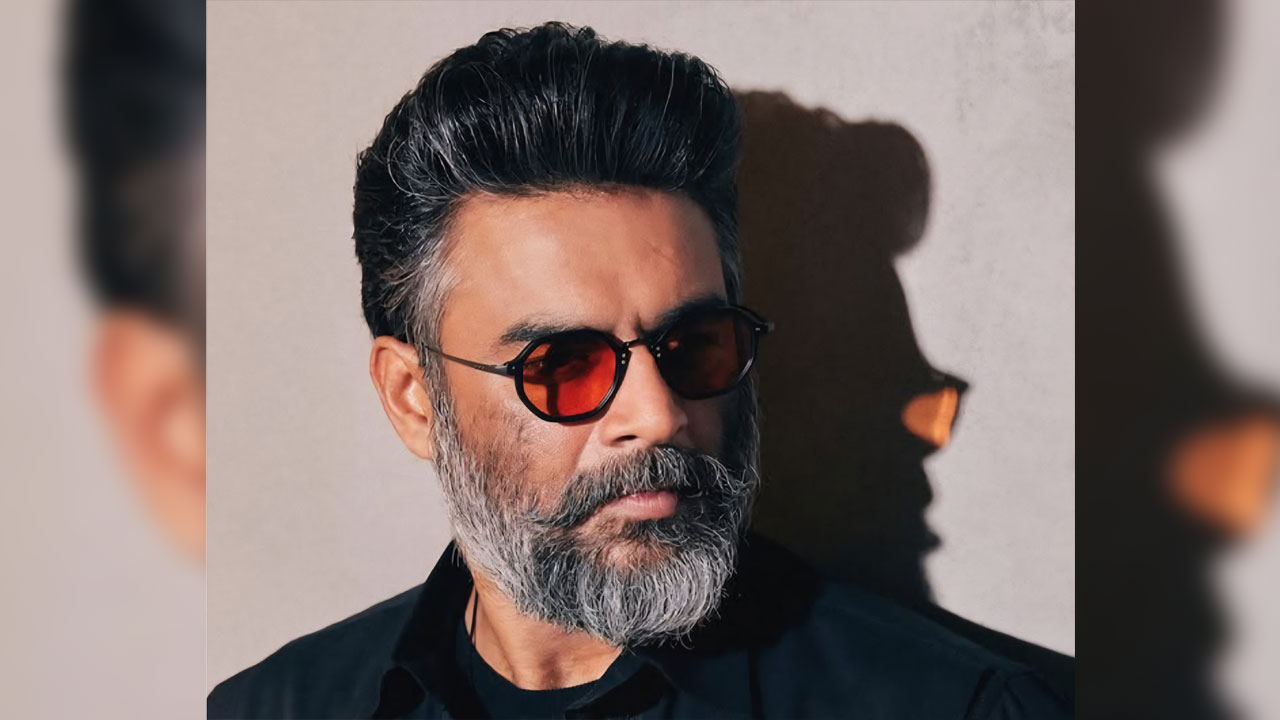
Interview : R. Madhavan : I view cinema through my own lens, not with reverence or fear!
 R. Madhavan is a versatile Indian actor known for his impactful performances across Tamil, Hindi, and other regional cinemas. He began his career with television before making a successful film debut with #Alaipayuthey (2000) in Tamil, directed by #ManiRatnam. He gained pan-India popularity with Rehna Hai Tere Dil Mein (2001), earning him a romantic hero image. Over the years, he broke that mould by delivering powerful roles in films like Rang De Basanti, 3 Idiots, Tanu Weds Manu, and the thriller series Breathe. His transformation in Rocketry: The Nambi Effect, which he also directed, won critical acclaim and national awards. Madhavan is admired for his intelligent script choices, adaptability, and grounded persona. From romance to intense drama, he has seamlessly navigated diverse genres. With his recent success in films like Shaitaan, he is coming up with #AapJaisaKoi. Our Sr Editor Keerti Kadam interacted with him during the promotional event of the film.
The film feels understated and subtle. What challenges did you face while doing it?
R. Madhavan: It was challenging because I’ve carried a romantic image since Rehna Hai Tere Dil Mein, but the definition of romance has changed. What was once considered romantic might now be seen as stalking. I had to unlearn old notions and adapt to today’s context. I was also nervous about looking too old for a romantic film and even asked the director if I should dye my hair. Luckily, he stood his ground, and the audience appreciated the authenticity.
Did any part of the film remind you of your own love story with your wife, Sarita?
Madhavan: Yes, especially the idea of complete surrender in love. In the film, my character experiences that, and it reflects in the body language. I’ve felt that same surrender in real life too.
The film touches on age-gap relationships. What’s your take on that?
Madhavan: I’ve seen it in my own family — couples with a 15–20 year age gap living happily. Love and understanding matter more than age. Earlier, society was more accepting, but now, even a 10-year gap can feel huge due to fast-changing generations like Gen Z, Gen Alpha, Gen Beta.
Raju Hirani once said you blend like water into every role. What are your thoughts on that?
Madhavan: Raju sir is a legend. I didn’t grow up wanting to be an actor — I entered the industry by accident, without any cinema conditioning. Maybe that’s why he sees my perspective as different. I view cinema through my own lens, not with reverence or fear.
Despite your popularity, you do fewer films. Why is that?
Madhavan: Surprisingly, most of my Instagram followers are men aged 18–40, not women (laughs). I became a romantic hero at 32, so I knew I had a short window before that image got repetitive. I also realised I wasn’t using my real strengths in commercial films. I took a break to reinvent myself and return with meaningful work. Now, I’m finally doing films that reflect who I truly am.
How was your experience shooting in Jamshedpur, your hometown?
Madhavan: It was nostalgic. Visiting my childhood home made me realise how small everything looked now. Though we only shot for a few days in Jamshedpur, the experience was touching. Shooting in Kolkata, especially at the Hooghly Ghat, felt spiritual. We’ve seen that location in so many films, and being there felt surreal.
You began with TV, moved to films, and now OTT—how do you see this evolution?
Madhavan: OTT is more demanding. In a series, you’re shooting scenes from different episodes on the same day, so you must track your character’s emotional journey across 8–10 hours. Unlike films, OTT relies heavily on tight scripts, strong dialogues, and pacing to make up for the lack of big-screen impact. Choosing the right platform is crucial—some stories work better as films, others as series. I’ve turned down good scripts simply because they were on the wrong medium.
Has your experience as a director influenced your choices as an actor?
Madhavan: Absolutely. Watching my own and others’ mistakes has made me more careful. Now, I pick projects that align with my sensibilities and suit the platform they’re being made for.
Your chemistry with Fatima Sana Shaikh looks great in the trailer. Did you both do workshops?
Madhavan: Yes, we did extensive readings. Fatima was very particular about the dialogues and suggested meaningful changes. Vivek (the director) made the final calls, which is important—there should be one creative captain. These workshops helped a lot, especially for scenes with on-screen family members I was meeting for the first time. That preparation gave us familiarity, which translated into believable chemistry on screen.
Your character in Aap Jaisa Koi is a loner. Do you personally relate to that loneliness? What are your insecurities as an actor?
Madhavan: Yes, I do relate. You’ve touched a nerve—I’ve been shooting in Chennai for the past three months and often feel lonely. My son is swimming, my wife is with him, my dogs are elsewhere, and I sometimes question if it’s all worth it at this stage in life. After shoot, I return to a hotel room and stay locked in till the next day. There’s a constant inner struggle: am I missing out on real life? Sometimes I think I should just stop and be with my family. I also feel lazy compared to actors like Ajay and Akshay, who are constantly working!
After your powerful performance in Shaitaan, you’re now doing a romantic film. How do you switch roles so effortlessly?
Madhavan: The credit goes entirely to the directors. After watching Shaitaan, it was Vivek who wanted to cast me in Aap Jaisa Koi. Good casting is vital, and Vivek, Kumar ji, Vikas, and even Ajay Devgn believed in me for roles like the Aghori in Shaitaan. Ajay trusted me and backed the film as producer—that gave me space to perform. I’m not a trained film expert; I rely on my directors, and Vivek is one of the best—his knowledge of cinema is encyclopedic.
By Keerti Kadam