

Partth Sarathi’s journey from a cricket-obsessed childhood to acting a film, ‘Goodnight Bengaluru’!
By the time the arc lights replaced afternoon sun and scripts replaced scorecards, Partth Sarathi had already lived a thousand stories. “I think sometimes it’s better to have a bigger dream. It never allows you to settle for anything lower than that. And I think this is the force that dragged me to the cinema.”
With this heartfelt reflection, Partth Sarathi opens up about his journey—from a cricket-obsessed childhood in Madhavbhoomi, Assam, to finding his calling in cinema. The actor, who will soon be seen in the upcoming Kannada film Goodnight Bengaluru, dives deep into the moments that shaped him, bruised him, and ultimately transformed him.
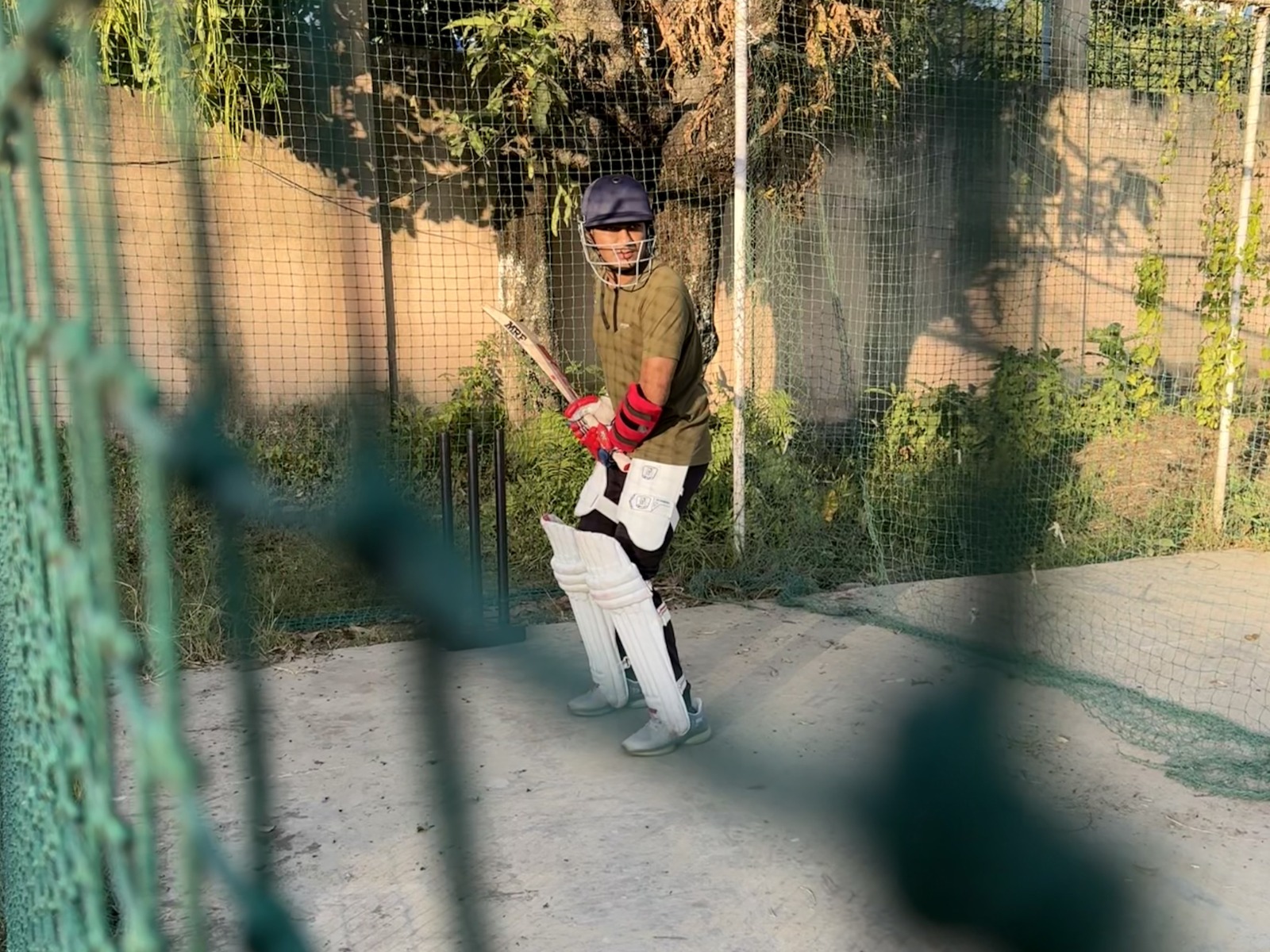
It began from Growing up, life was simple and rhythmic. “School days were all about class, tuition and cricket,” he recalls. Cinema barely existed in their world back then. Like countless Indian kids, Partth grew up with a bat and a tennis ball in hand, afternoons reserved for dusty fields and endless matches. Cricketers were heroes, and those golden afternoons carried a single dream: to become a cricketer.
But dreams, he admits, don’t exist in isolation. Studies, fear, expectations—and the quiet pressure of reality—slowly began to outweigh that childhood force. The dream surrendered.
Years later, after his first heartbreak, cricket returned—this time with renewed fire. Partth joined a cricket academy and played leather-ball cricket for the first time. The romance, however, came with ruthless discipline.
“Cricketers’ fitness days were harder than gym leg days,” he laughs. Skipping fitness invited swift punishment. His coach—plastic stump always in hand—believed in tough love: 500 drills, 20 rounds of the field, 100 push-ups, endless squats and high knees. Mistakes were lessons, and lessons were physical.
There were lighter moments too. Practicing shots with tyres instead of balls, Partth once asked, “Sir, what if the bat breaks?” The reply was instant: “Then go home and keep your bat in a showcase.”
An injured finger once swelled like a balloon. The coach’s response? “You can’t be a cricketer without breaking two or three bones.”
Slowly, Partth began to enjoy the sound of bat meeting ball—but clarity never arrived. Missed trials, lost time, and self-doubt crept in. “That force was not enough to make me a cricketer,” he says honestly. Eventually, he moved to Delhi for higher studies, carrying with him a deep respect for athletes. “Athletes own the most powerful brain and physique in the world,” he adds.
As years passed, something felt missing. Childhood joys—festivals, sports, reenacting plays, imitating characters from mobile theatre, performing on stage—had faded. Even afternoons disappeared.
Cinema didn’t arrive as ambition; it arrived as medicine. “Gradually, cinema became the only cure for my mental health,” Partth says. What he realized was startling in its simplicity: he had always chased adrenaline, always sought higher dopamine. That hunger—first felt on the cricket field—was now fulfilled by stories, characters, and the magic of movies.
And that is how cinema chose him. Quoting Bhagwan Shrikrishna, Partth concludes with calm surrender:
“Sab pehle se tay hai, Partth.”
He believes the universe is the director of all consequences. He is merely an actor—improvising with the single tool he has. What lies ahead, he doesn’t know. But he is fulfilled.
“He’s given me so many stories to tell,” Partth smiles.
Sometimes, some things are beyond understanding. Accept that part. Be fulfilled. Because, in his words—and perhaps in true Bollywood spirit—life is beautiful.
By Keerti Kadam