

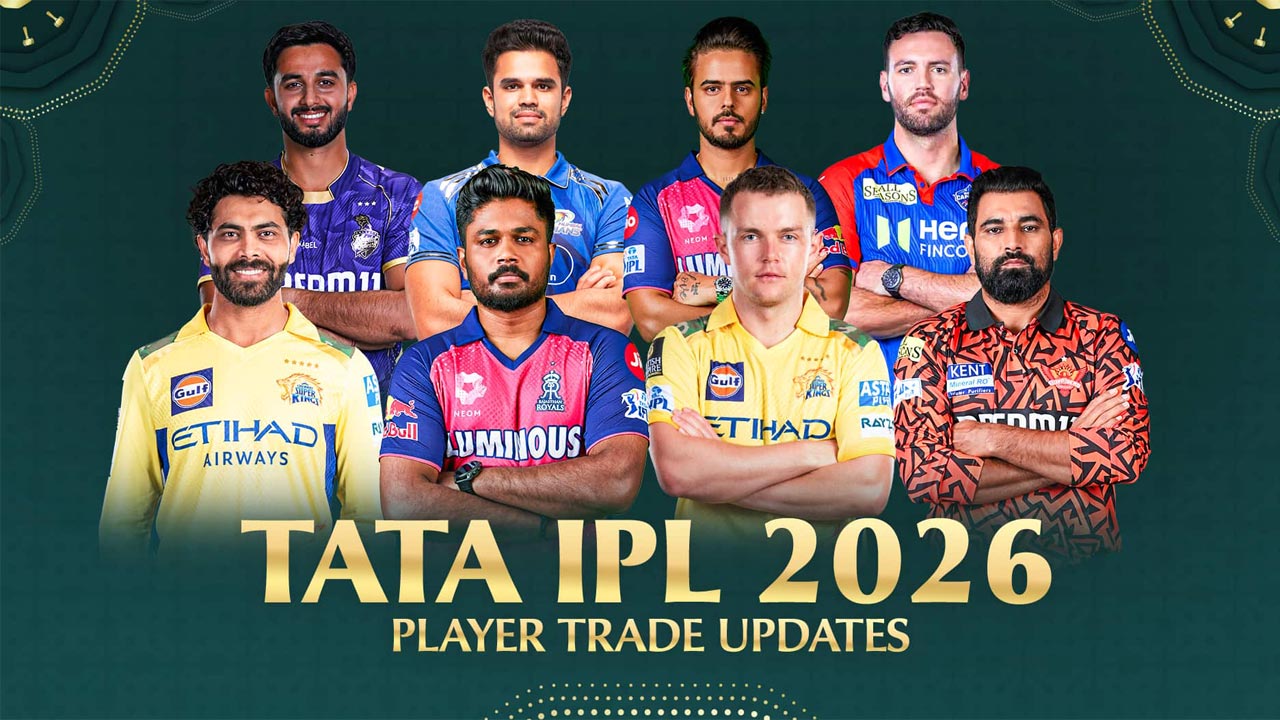
Reassessing the ‘Impact Player’ Rule in IPL: Safeguarding the Essence of Cricket or Detrimental to Real Cricket?
By Ronnie Rodrigues
Mumbai: A growing sentiment within the cricketing community is urging governing bodies such as the International Cricket Council (#ICC) and the Board of Control for Cricket in India (#BCCI) to review and potentially restrict the use of the “Impact Player” rule in the Indian Premier League (#IPL).
The rapid evolution of franchise-based T20 cricket has undeniably brought innovation, scale, and unprecedented commercial success to the sport. However, it has simultaneously sparked an intense debate within the cricketing fraternity over the delicate balance between entertainment and the foundational principles of the game.
At the centre of this debate lies the Impact Player rule—an innovation that allows teams to substitute a player mid-match. While introduced with the intention of adding tactical flexibility and excitement, the rule is increasingly being questioned by purists, analysts, and former players who believe it may be altering the very fabric of cricket.
Traditionally, cricket has been defined by balance, foresight, and adaptability. A team of eleven players competes under equal constraints, with success determined by how effectively these players contribute across batting, bowling, and fielding. The Impact Player rule disrupts this equilibrium by enabling teams to adjust their composition during the match—an option that was never part of the sport’s original design.
Supporters of the rule argue that it enhances strategy and viewer engagement. However, critics contend that it undermines the essence of competition by reducing the role of all-rounders—once considered indispensable to team balance—and encouraging hyper-specialization. Teams can now deploy an extra batter or bowler depending on match situations, thereby eliminating the inherent risks and strategic compromises that historically defined team selection.
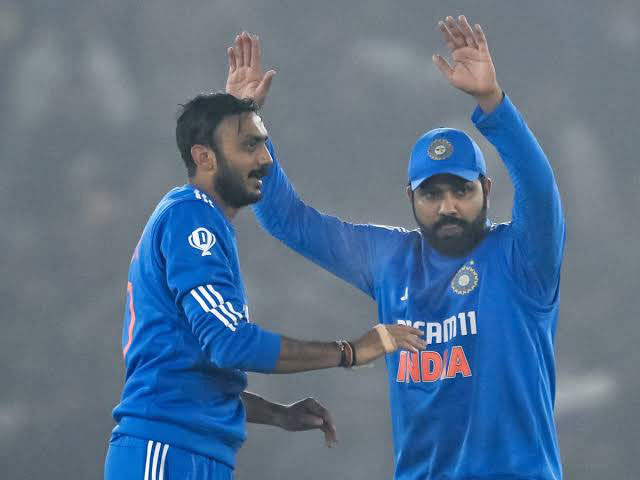 Notably, prominent Indian cricketers such as #RohitSharma, #HardikPandya, and #AxarPatel have also voiced reservations about the rule. Expressing his personal view, Axar Patel remarked during a media interaction that he does not favour the concept, particularly from an all-rounder’s perspective.
“I don’t like this rule as I am an all-rounder myself (laughs). Earlier, we used to pick an all-rounder for this role (batting and bowling). Now, team management goes with a particular batter or bowler. They say why do we need an all-rounder? Being an all-rounder myself, I don’t like it. But at the same time, rules are rules—we have to follow them,” he said.
Axar’s remarks highlight a broader concern within the cricketing ecosystem—that the rule may be diminishing the relevance of multi-skilled players and reshaping team-building philosophies.
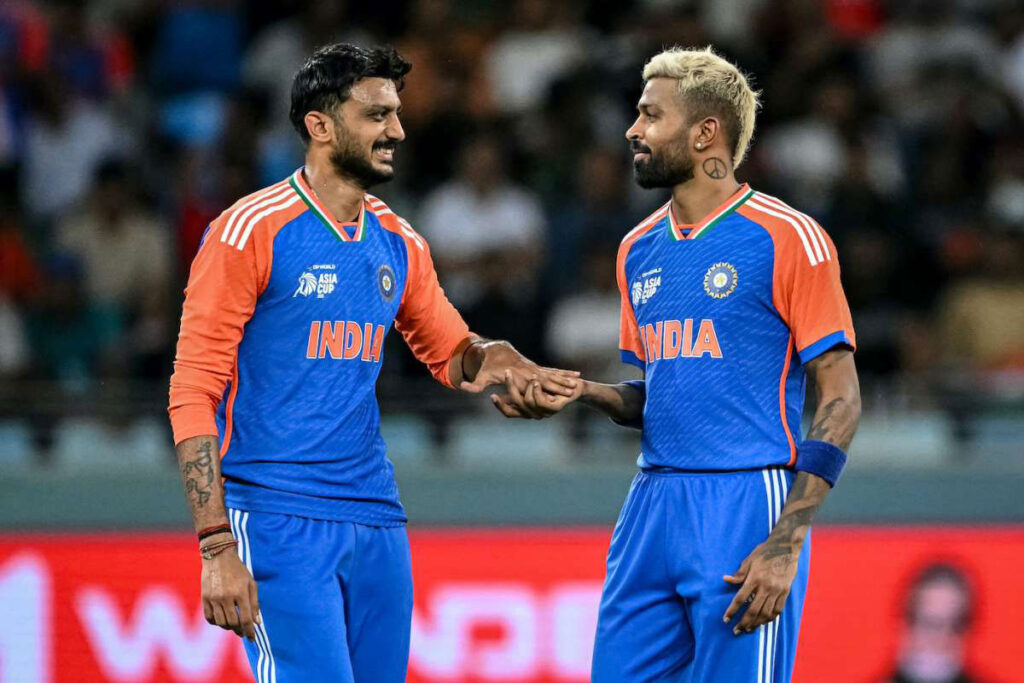 Meanwhile, addressing discussions around India’s recent dominance in T20 cricket, Axar downplayed comparisons with past great teams. Following India’s triumph in the ICC Men’s T20 World Cup, where they successfully defended the title and created history by winning it on home soil, comparisons were drawn with dominant teams of previous eras.
However, Axar maintained that such comparisons are subjective and era-dependent.
“I don’t believe in the tag of the greatest T20 team ever. It is all about time and era. If a team’s combination is set, they can do wonders,” he stated.
He further emphasized that India’s success has been built on a fearless and adaptive approach since 2022, suggesting that sustained dominance depends on evolving with the demands of the game rather than relying on labels.
Beyond individual opinions, the broader concern remains that the unpredictability which once defined cricket is gradually being replaced by calculated, almost mechanical decision-making. The ability to recover from setbacks with limited resources—a defining trait of great teams—is diminished when sides are allowed to “correct” their composition mid-game. This raises a critical question: is cricket evolving organically, or is it being engineered for outcome-driven entertainment?
Equally significant is the precedent such changes set for the future of the sport. If such innovations continue unchecked, cricket risks drifting away from its core identity and transforming into a format-driven spectacle driven largely by viewership metrics and revenue considerations. While commercial success is vital, it must not come at the cost of the values that have sustained the sport for generations.
If the Impact Player rule is to continue, some experts suggest adopting a more transparent structural approach—such as formally allowing a 12-player format—to align the rules with actual gameplay. However, this does not fully address the deeper philosophical concern: that cricket may gradually be evolving into a product where entertainment takes precedence over sporting authenticity.
This has led to a more provocative question within cricketing circles—if leagues prioritize spectacle and financial gains over the traditional spirit of the game, should they continue to be identified strictly as “cricket”? Or should they adopt a new identity, thereby preserving the sanctity and respect associated with the sport in its purest form?
As the most influential T20 league globally, the IPL carries a responsibility that extends far beyond its own success. Its decisions shape global cricketing trends and influence how the game is played and perceived worldwide. What may appear today as a minor innovation could, in the long run, redefine the structural and philosophical foundations of cricket.
At this critical juncture, the need for thoughtful introspection is paramount. Innovation and tradition must coexist—but not at the cost of the sport’s identity. The ICC and BCCI must carefully evaluate whether such changes strengthen the spirit of cricket or gradually erode it.
Many within the cricketing community maintain that cricket, at its core, is a contest between eleven players on each side, governed by equal constraints. Any deviation from this structure, they argue, risks diluting the authenticity of the game.
The current format, in their view, leans increasingly towards entertainment, prioritizing commercial appeal over sporting integrity.
As the IPL continues its rise as a global spectacle, stakeholders are faced with a defining question: should innovation reshape cricket, or should tradition guide its evolution?
Ultimately, the future of cricket will not be determined solely by its entertainment value, but by how faithfully it preserves the essence that has made it one of the most respected sports in the world.