

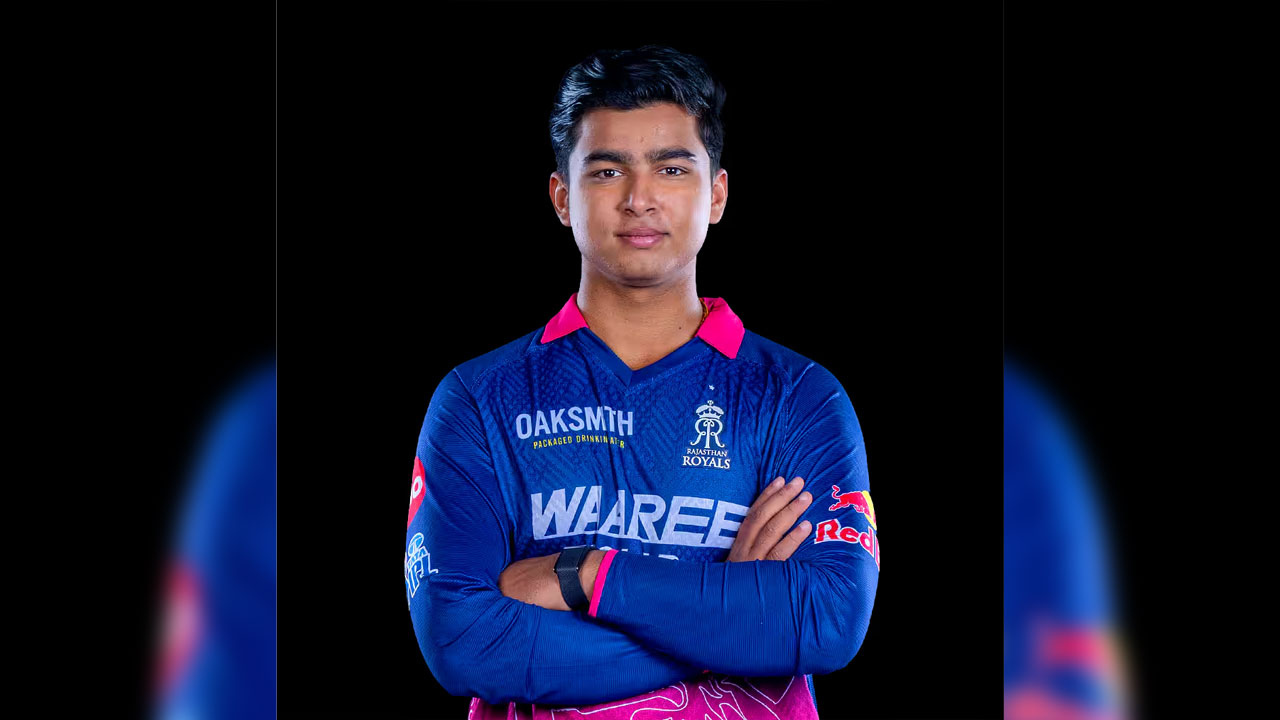
Age Row Deepens Around Young Cricketer Vaibhav Suryavanshi, Raising Questions of Credibility & Oversight.
By Ronnie Rodrigues
Mumbai: A fresh wave of controversy has engulfed emerging cricket talent Vaibhav Suryavanshi, as multiple inconsistencies surrounding his age and early career records continue to surface, leaving fans, officials, and observers questioning the authenticity of widely circulated claims.
At the center of the debate lies a glaring discrepancy in reported birth dates.
Additional Key Facts Emerging:
Multiple DOB Records: Sources indicate that different documents—school records, local registrations, and online listings—allegedly reflect varying dates of birth, raising questions about which document holds legal validity.
Age Eligibility in Tournaments: Age-based cricket tournaments strictly follow eligibility norms laid down by the Board of Control for Cricket in India. Any discrepancy, if proven, could lead to disqualification or retrospective action on past participations.
Bone Test Variations: Medical experts note that bone age tests provide an estimated biological age range, not an exact figure. However, the gap between claimed age (8.5 years) and assessed range (10+ years) remains significant and requires formal clarification.
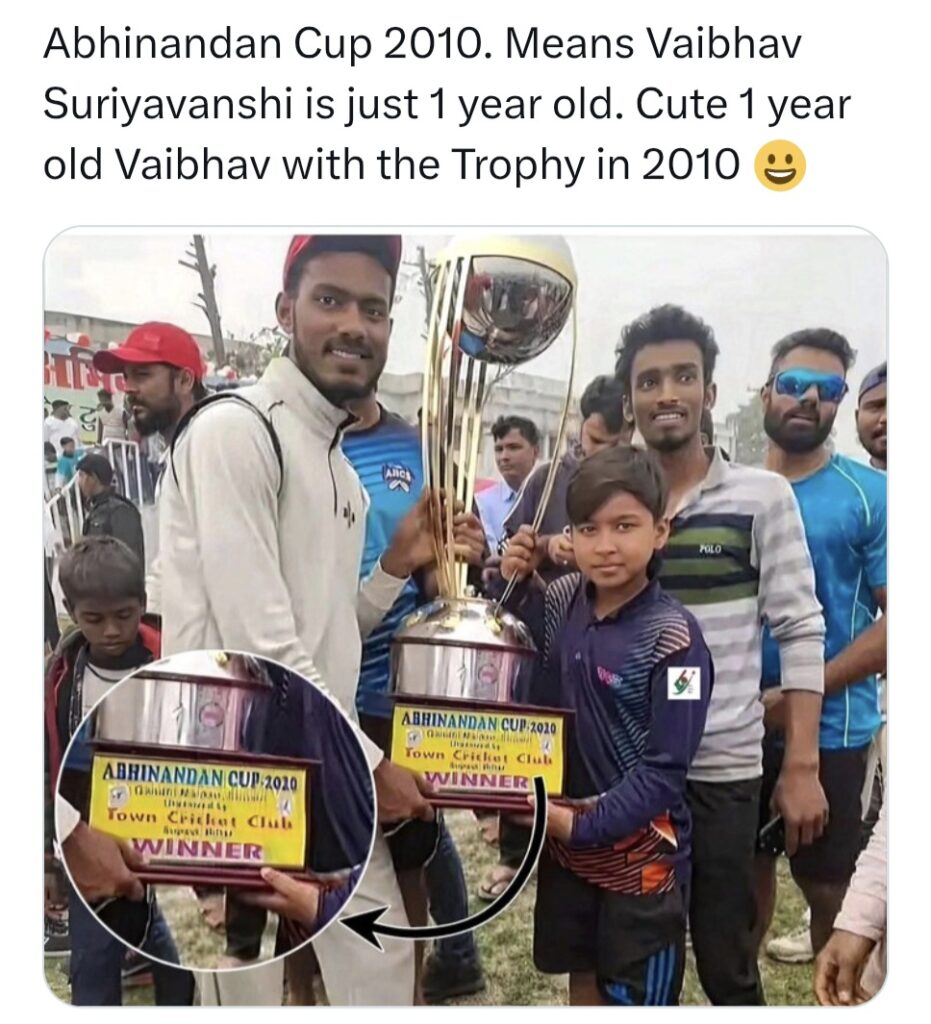
Timeline Conflict (2010 vs 2020): The Abhinandan Cup controversy continues to raise eyebrows, particularly due to the improbability of large-scale tournaments being conducted during nationwide restrictions in 2020.
Verification Mechanism: Under standard #BCCI protocols, age verification involves documentation scrutiny along with medical testing. Any mismatch typically triggers re-evaluation or suspension pending inquiry.
According to statements attributed to Vaibhav Suryavanshi during an interview with BNN News on dated 6th April, 2023, Vaibhav reportedly asserted that he would turn 14 years old on 27th September 2023. However, widely accessible online data—such as listings on Google—reflects a different date, citing 27th March as his birthdate. This contradiction has fueled confusion over which version holds legitimacy.
The interviewer, Vijay Vikash from BNN News: This video features an interview with Vaibhav Suryavanshi, a talented 14-year-old cricketer from Bihar, during the Benipatti Premier League (BPL) 6th April, 2023.
Adding to the growing list of concerns is a second controversy linked to the Abhinandan Cup. Records and circulating narratives suggest that Suryavanshi had won the tournament in 2010 at the age of nine, yet parallel claims attempt to associate the same achievement with the year 2020. The inconsistency becomes more pronounced considering that 2020 coincided with the nationwide lockdown imposed during the COVID-19 pandemic, a period during which sporting events across India were largely suspended. This raises a fundamental question: how could such a tournament have taken place under those conditions?
A third and more technical dimension of the controversy involves age verification procedures conducted by the Board of Control for Cricket in India. Reports point to a bone age test allegedly carried out during the 2019–2020 season, when Suryavanshi was part of the Under-16 circuit. While documentation presented by family members claimed his age to be approximately 8.5 years, the bone test is said to have indicated an estimated age range between 10.1 and 10.4 years. Such a discrepancy, if substantiated, raises serious concerns about compliance with age-verification norms in junior cricket.
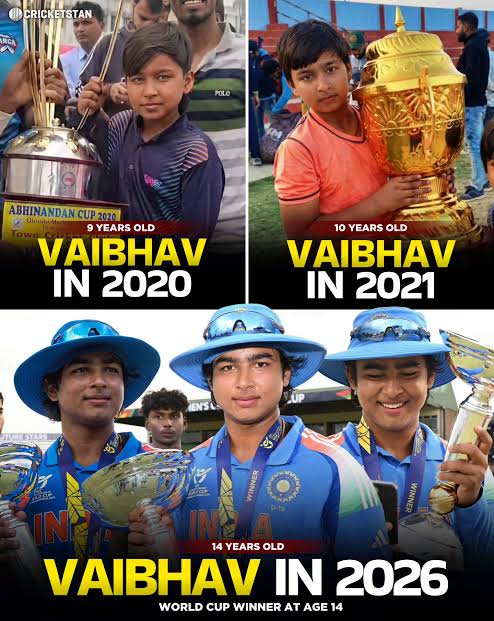
These overlapping contradictions have triggered a broader debate on accountability and transparency within grassroots and youth-level sports administration. With age being a critical eligibility criterion in junior cricket, any ambiguity not only impacts fair competition but also undermines institutional credibility.
Speculation has also emerged in public discourse about whether the young cricketer is being positioned to break records associated with icons such as #SachinTendulkar—widely revered as the “Master Blaster”—by projecting an exceptionally early entry into competitive cricket. However, critics argue that such narratives, if not backed by verifiable data, risk damaging both the player’s reputation and the integrity of the sport.
As the controversy continues to unfold, stakeholders across the cricketing ecosystem are calling for a transparent, independent verification of records. Until then, the lingering question remains: what version of the truth should the nation believe?