

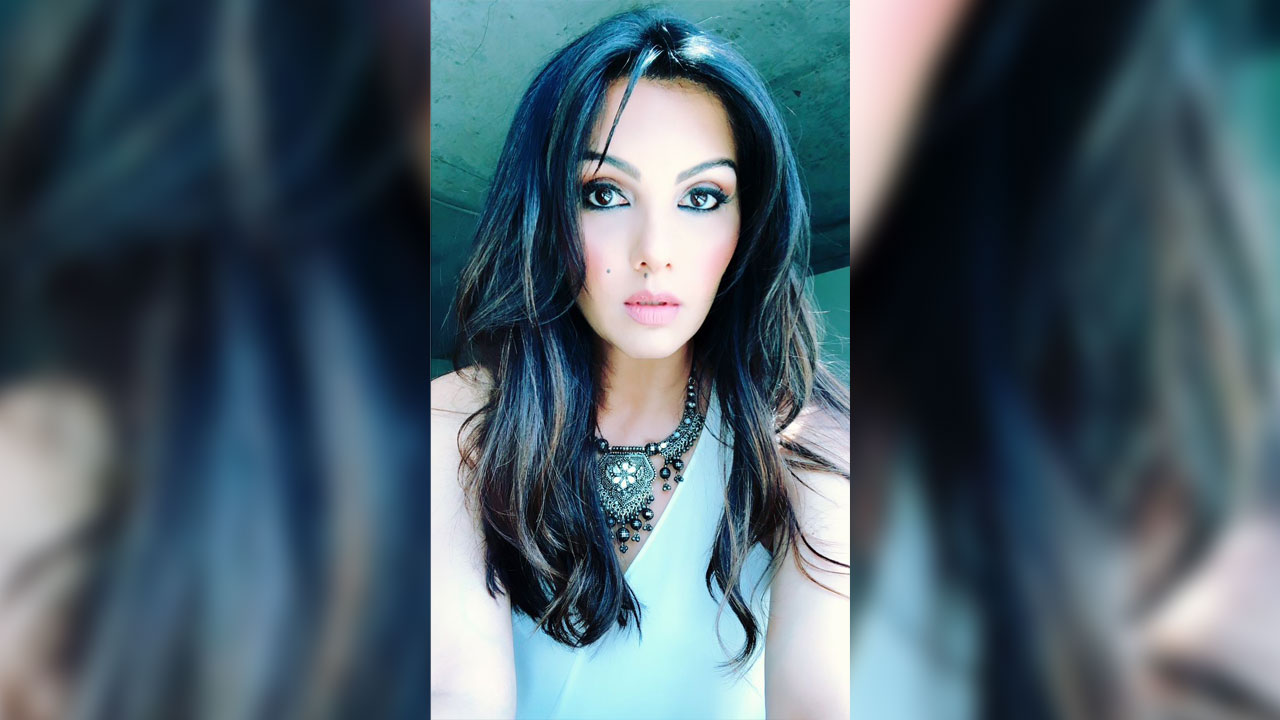
Somy Ali Asks, Why Do Indians Make Actors into Politicians?
On September 27, 2025, tragedy struck in Karur, Tamil Nadu, when a rally led by actor-turned-politician Vijay ended in disaster. At least 40 people, including children, lost their lives in a stampede. Eyewitnesses described crowd surges, narrow spaces, hours of waiting without water, and a complete blackout when electricity failed. Authorities have since filed charges of culpable homicide and negligence against senior leaders of Vijay’s party.
For Somy Ali, founder of the US-based NGO No More Tears, the tragedy highlights a larger question. “Why do we, as a society, allow entertainers to transform into political icons with such ease? What psychological and cultural impulses fuel this phenomenon?” she asked.
Somy pointed out that Indian cinema has always blurred the line between myth and reality. “In our collective imagination, film stars are not just actors, they’re messiahs, lovers fighting odds, saviors of the downtrodden. That cult of adoration doesn’t vanish when the credits roll. So for many, the leap from screen to throne feels natural,” she explained. But she warned that adoration is not authority. “Governance is about policy, ethics, safety, not charisma. Yet we act as if charisma can fix everything. The Karur rally shows how dangerously flawed that assumption is,” she said.
According to Somy, the obsession with celebrity politicians is deeply rooted in insecurity. “In a country where disparities run deep, many people feel voiceless. A larger-than-life celebrity becomes a vessel for their hopes. Electing an actor is an act of symbolic defiance, ‘I matter, I am seen.’ Instead of building institutions that listen, we chase personalities who promise miracles,” she noted. She added that the phenomenon is not unique to India, but cultural identity plays a bigger role here. “When identities, religion, language, caste, are constantly contested, the appeal of a star who mirrors one’s aspirations becomes irresistible,” she observed.
Somy stressed that fans often project their fantasies onto these stars. “When fans line up at rallies, they’re not just supporting a candidate. They’re re-enacting a fantasy. Reel and real blur. Mistakes get forgiven as long as the hero stays charismatic,” she explained. But this blind worship is dangerous. “The Karur stampede was foreseeable. Narrow venue, hours in the sun, delayed arrival, lights failing yet critique gets dismissed as vendetta, and fans cry betrayal. We prefer saints over scrutiny,” she said.
She argued that India rewards spectacle over substance. “These celebrity politicians often come with no legislative background, no party machinery, no governance experience. What they bring is spectacle—grand events, emotive speeches, mass mobilization. And too often, that is enough to win votes,” she said. Somy stressed that this comes at a cost. “When tragedies like Karur happen, we mourn. But we don’t question why we allowed a stunt to replace strategy,” she added.
Somy also connected this to a psychological phenomenon. “We project our unmet longings onto stars. They become saviors, parents, protectors. And when they fail, as they always do, it feels like betrayal. But that’s because we misplaced our trust in individuals rather than institutions,” she said.
She called for structural change. “We must raise civic literacy, shift focus from personality to policy. We need a separation of stage and state. Popular artists can inspire culture, but that doesn’t mean they should commandeer the state,” she emphasized. Somy added that India needs to respect institutions over individuals. “We reduce risks when we invest in strong institutions instead of idols. Crowd safety, accountability, transparency must be non-negotiable, no matter who the star is,” she said.
For Somy, the Karur tragedy is a painful but important mirror. “Lives were lost. Beyond blame, we must examine ourselves. Why do we keep handing power to performative figures? Why do we see politics as theater?” she asked. She concluded with a call for maturity. “If India truly wants change, if we want to be a world superpower, we must stop making actors into demi-gods. Democracy should not be about worshiping symbols but demanding accountability,” Somy said.
By Keerti Kadam