

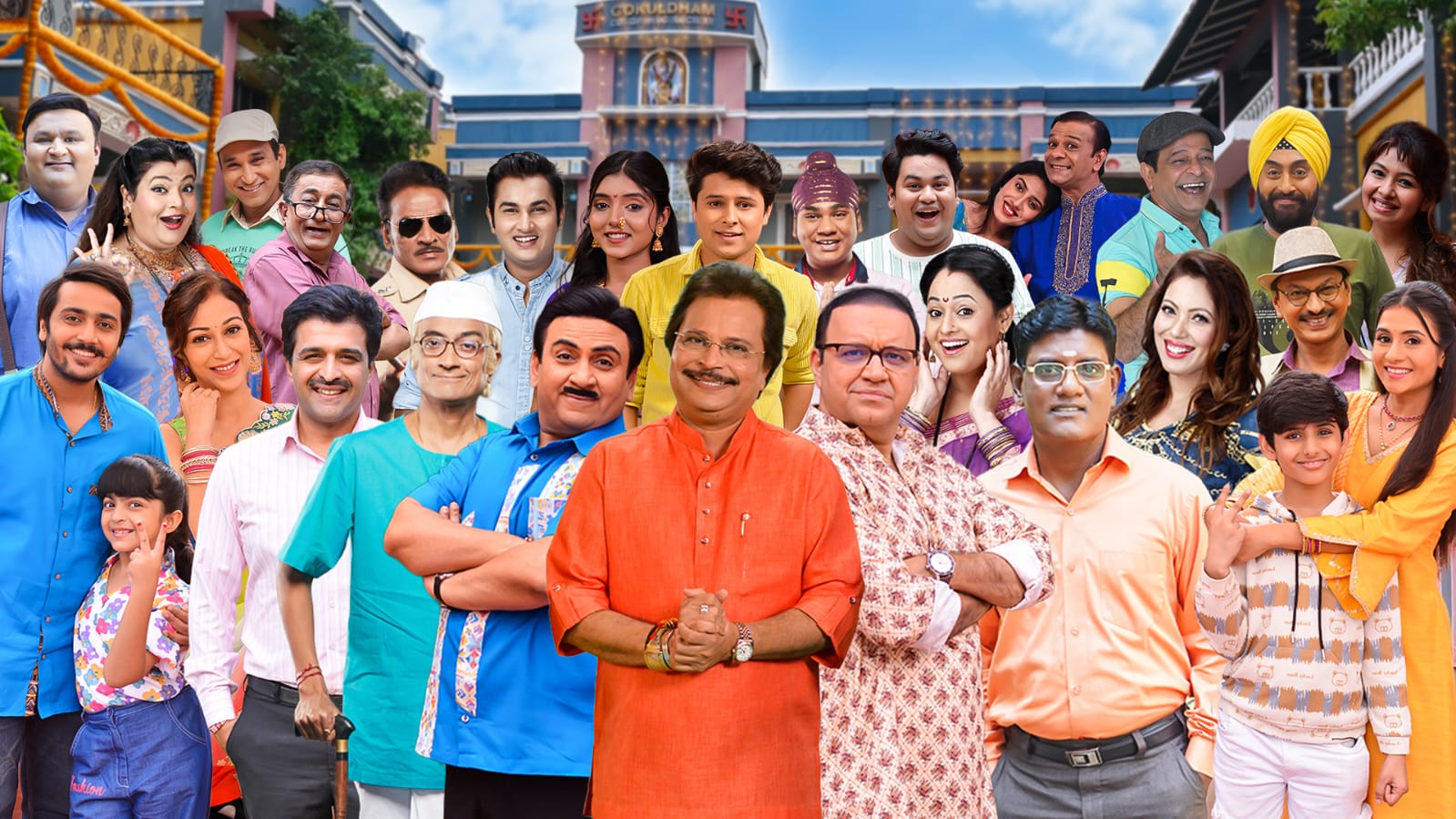
Asit Kumarr Modi’s vision for TMKOC has always been to create a show that mirrors the real soul of India!
Taarak Mehta Ka Ooltah Chashmah (TMKOC) has, over the years, grown far beyond a simple sitcom and has become a cultural phenomenon that reflects India’s diversity through the everyday life of Gokuldham Society’s residents. It is within this vibrant microcosm that Marathi culture finds a particularly warm, consistent, and respectful representation.
From the very beginning, producer–creator Asit Kumarr Modi’s vision for TMKOC has been to create a show that mirrors the real soul of India, where every culture, language, and tradition is given space and dignity through everyday humour. In this vision, Marathi culture is not treated as a token presence but as a living, breathing part of the show’s emotional core. Through language, rituals, food, and relationships, the series offers an affectionate and authentic portrait of Maharashtrian life.
At the heart of this portrayal stands Atmaram Tukaram Bhide, fondly known as the “ekmev secretary” of Gokuldham Society. As a strict, principled, school-teacher by profession, Bhide embodies quintessential Maharashtrian values: discipline, respect for education, strong family bonds, and deep pride in his mother tongue. His often fussy, rule‑bound persona appears to contrast sharply with Jethalal’s easygoing, carefree nature, yet behind his humorous complaints lies a deeply conscientious man driven by ethics, social responsibility, and an unshakable belief in order and tradition.
Asit Kumarr Modi has often emphasized that characters like Bhide are not just for entertainment, but are meant to celebrate values such as discipline, learning, and social commitment—values that, in his view, form the sturdy backbone of Indian society at large. When people see their language, customs, and daily struggles reflected respectfully on screen, it creates an intimate emotional connection. This sense of being “seen” is, in many ways, one of TMKOC’s quietest yet strongest achievements as a storyteller of everyday India.
Marathi culture in TMKOC is not confined to a few festival episodes or one‑dimensional stereotypes. Instead, it is woven into the show’s very fabric. Bhide’s passionate Marathi speeches, the traditional Ganesh Chaturthi celebrations in his home, and Madhavi’s lovingly cooked snacks—like pohe, kothimbir vadi, and kanda bhaji—appear as natural parts of the narrative rather than as decorative set pieces. These details are presented without caricature or overstatement, making them feel honest and lived‑in rather than staged.
The show’s Gudi Padwa episodes offer a particularly vivid example of this authenticity. From the beautifully adorned gudi outside Bhide’s balcony to the festive preparations and the aroma of traditional dishes made from jackfruit, TMKOC captures the joy, devotion, and culinary heritage that characterize Maharashtrian households on the Marathi New Year.
These scenes celebrate not just a festival, but the spirit of fresh beginnings, gratitude, and hope that Gudi Padwa symbolises.
Equally memorable are the society’s Ganeshotsav celebrations. Here, rituals, devotional songs, community bonding, and concerns about eco‑friendly immersion practices come together to create something larger than just a colourful backdrop. These episodes highlight the warmth, faith, and collective responsibility that define Maharashtrian festive culture, with Bhide’s sincere involvement offering a touching window into the emotional depth behind the rituals.
Beyond individual scenes or characters, TMKOC consistently reflects Maharashtrian values—simplicity, education, mutual respect, and civic responsibility—within the broader mosaic of Indian cultures that populate Gokuldham Society. Through humour and humanity, the show gently dissolves regional boundaries and underscores a shared emotional language that unites its diverse characters.
As TMKOC continues its long‑running journey, its portrayal of Marathi culture stands out as a model of authenticity and inclusivity. The show does not drag culture into the spotlight merely to earn applause; instead, it allows culture to breathe organically through stories that resemble real life. In doing so, it reminds us that in every corner of Gokuldham, India resides in all its languages, customs, quirks, and warmth—and that Marathi culture, in particular, occupies a cherished and dignified place in that shared home.
By Keerti Kadam