

Review: Doosra: Cricket Nostalgia Outshines the Fight for Freedom!
Abhinay Deo’s Doosra attempts to bring together two seemingly different worlds — the historic triumph of Indian cricket and a young woman’s struggle for personal freedom. The 78-minute docudrama blends real archival footage of India’s iconic 2002 NatWest Final with a fictional coming-of-age story, hoping to draw parallels between a sporting victory that challenged established conventions and a woman’s fight against patriarchy. Director Abhinay Deo, known for films like Delhi Belly and Brown, has demonstrated his ability to explore human emotions through unconventional storytelling, dark humour and flawed characters. With Doosra, he takes a different route, using cricket as a metaphor for rebellion, courage and breaking free from restrictive norms. While the concept is intriguing, the film struggles to establish a convincing emotional connection between its two narratives.
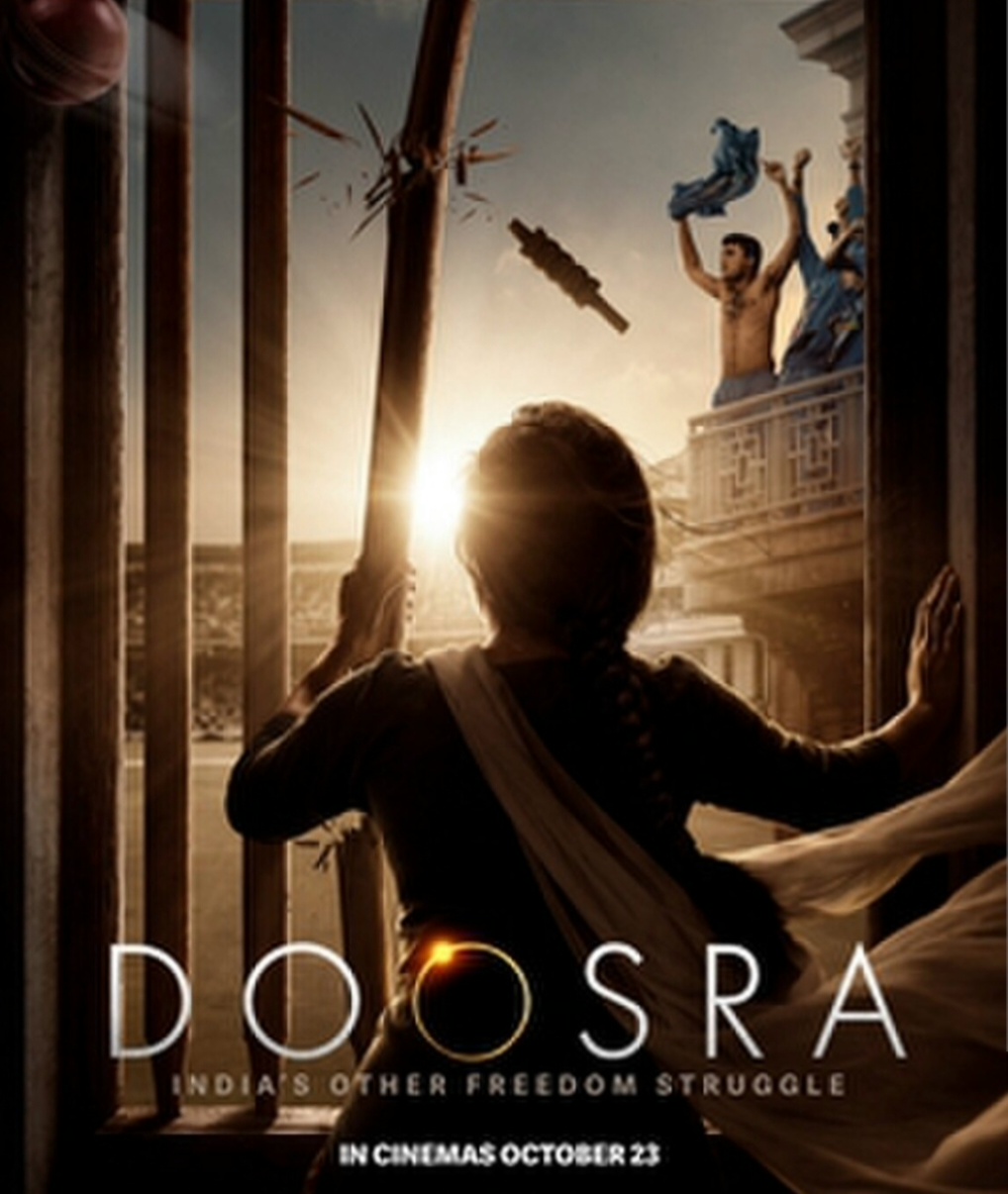
Set against the backdrop of a conservative household in Rajasthan, Doosra follows Tara, (Plabita Borthakur) a young woman yearning to escape the suffocating restrictions imposed by her family and society. Her struggle goes beyond the conventional quest for independence, as she grapples with questions surrounding her sexuality and the freedom to make choices about her own life. The film interweaves her personal journey with the sporting history of Sourav Ganguly and the Indian cricket team’s remarkable victory over England in the 2002 NatWest Final at Lord’s. Ganguly’s famous shirt-waving celebration from the Lord’s balcony became a powerful symbol of defiance and a changing Indian cricket team. The filmmakers attempt to draw a parallel between that moment of sporting rebellion and Tara’s determination to challenge the social conventions governing her existence. However, the symbolic connection, though promising on paper, does not always translate into an equally compelling emotional journey on screen.
The film’s biggest strength is its use of authentic archival footage, which brings back the excitement, tension and nostalgia of one of Indian cricket’s most memorable victories. These real-life sequences possess an immediacy and emotional intensity that the fictional portions often struggle to match. The screenplay attempts to stitch together two contrasting narratives, but the transition between the cricketing triumph and Tara’s deeply personal battle sometimes feels forced. Rather than allowing the sporting events to organically complement her journey, the film occasionally relies too heavily on the metaphor, leaving the two strands feeling disconnected. The direction deserves credit for attempting an unconventional narrative within a compact 78-minute runtime, but Tara’s character arc needed greater depth and a more sustained exploration of the pressures she faces. The performances serve the story, although the writing does not always provide enough emotional development for the fictional characters to leave a lasting impression.
Ultimately, Doosra is an interesting experiment that draws its strength from cricketing nostalgia but falters in integrating it with a nuanced story about individual freedom and sexuality. Ganguly’s iconic celebration continues to evoke a powerful sense of pride and defiance, yet Tara’s struggle deserved equally compelling storytelling. But Plabita Borthakur portrays the character convincingly and gains sympathy too. Samidha Guru as her mother, Ankur Wikal as her father and Krishna Gokani as her best friend Manju do justice to their characters. The film’s message about challenging conventions is relevant, but its emotional impact remains limited by the uneven execution of its central idea. At 78 minutes, Doosra is brief and watchable, but it leaves one wishing that its promising premise had been developed into a more cohesive and moving cinematic experience.
Rating: ***
By Keerti Kadam