

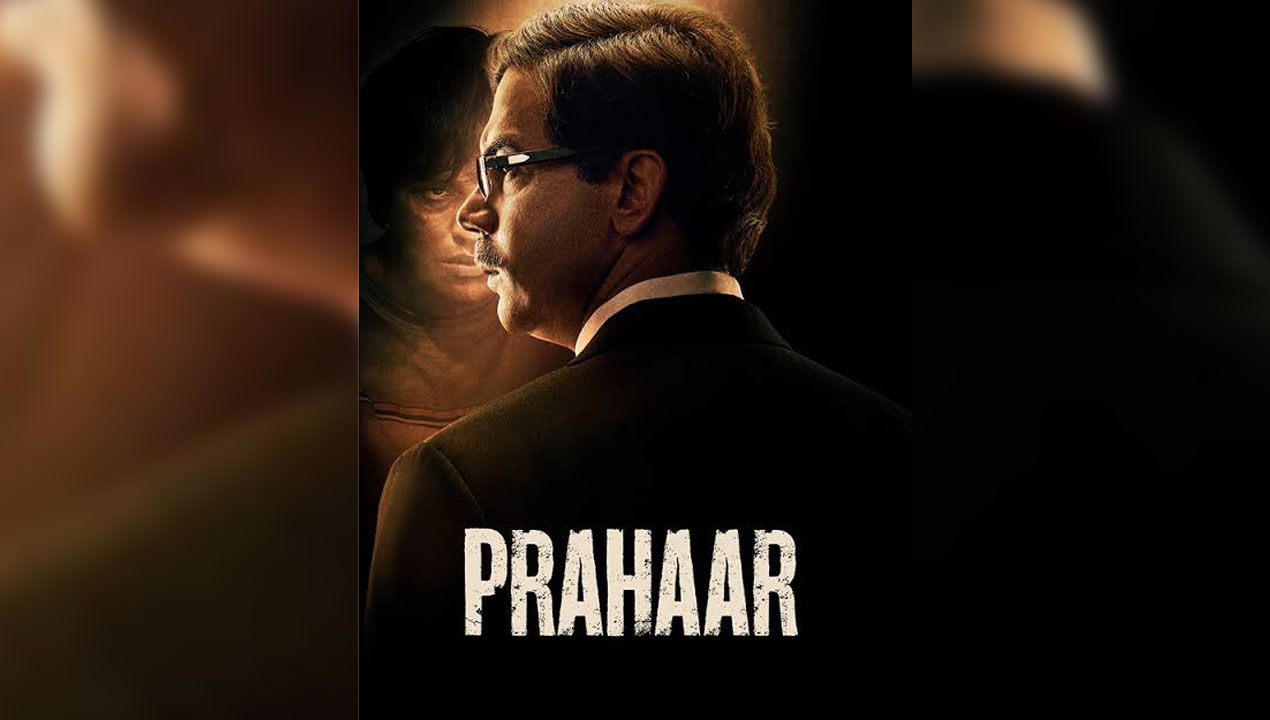
Review: Prahaar: The Untold Story of Ujjwal Nikam – A Courtroom Drama That Revisits Mumbai’s Darkest Hours!
The horrific terrorist attacks of 26/11, which shook Mumbai and the entire nation, remain etched in India’s collective memory as one of the darkest chapters in its history. The unprecedented brutality unleashed by the terrorists, the loss of innocent lives and the courage displayed by those who fought back continue to evoke deep emotions. Prahaar: The Untold Story of Ujjwal Nikam revisits this tragic chapter while offering a glimpse into the legal battle that followed. The film also takes audiences back to the 1993 Bombay bomb blasts, highlighting the painstaking efforts involved in prosecuting those responsible for some of India’s most heinous crimes. At its heart, the film explores the life and professional journey of Public Prosecutor Ujjwal Nikam, who played a crucial role in these landmark cases, while attempting to reveal the personal sacrifices and emotional challenges behind his public persona.
The screenplay attempts to balance the complexities of the Indian criminal justice system with the personal life of a man whose professional responsibilities often come at the cost of family relationships. Rajkummar Rao essays the role of Ujjwal Nikam, portraying a prosecutor driven by his commitment to justice. However, while there can be no doubt about Rao’s acting brilliance or his dedication to the character, he isn’t consistent in capturing Nikam’s actual mannerisms, speech and body language. Those familiar with the prosecutor’s personality may find this aspect less convincing. The narrative also explores Nikam’s relationship with his wife, whose quiet support remains a source of strength despite her failing health, and the strained equation with his son, adding emotional depth to the story. Jaideep Ahlawat makes a strong impression as Senior Advocate Chaudhary Zulfiqar Ali, while Lalit Prabhakar convincingly portrays the chilling persona of Ajmal Kasab. The film also addresses Advocate Abbas Kazmi’s decision to defend Kasab, underlining the fundamental principle that every accused person is entitled to legal representation and due process. One of the most moving moments revolves around a young Vada Pav vendor’s daughter whose eyewitness testimony to the carnage at VT Station becomes a powerful reminder of the human cost of terrorism.
The film’s strength lies in its courtroom confrontations, where impactful dialogues and intense exchanges bring the battle for justice to life. Several sequences have the potential to draw applause, particularly when the arguments underline the importance of evidence, legal procedure and the responsibility of ensuring that the guilty are brought to justice. The screenplay is engaging in its exploration of the challenges faced by a public prosecutor, although certain portions could have benefited from tighter pacing and sharper transitions between the courtroom proceedings and the domestic drama. The music and background score contribute to the film’s tense atmosphere without overshadowing its central subject. The cinematography deserves appreciation for capturing the contrasting faces of South Mumbai, from its crowded streets and bustling public spaces to the relative solitude of Nikam’s life at the Residency Hotel. The visual treatment reinforces the contrast between the public figure fighting high-profile cases and the individual dealing with personal pressures behind closed doors. The direction brings together legal proceedings, historical events and family conflicts in an earnest attempt to humanise a figure often seen only in courtrooms. Rajkummar Rao delivers a sincere performance, easpecially during court arguments also presenting the vulnerability of Ujjwal Nikam in real life. Jaideep Ahlawat and Lalit Prabhakar add considerable weight to the proceedings through their respective performances.
Overall, Prahaar: The Untold Story of Ujjwal Nikamis a sincere and engaging legal drama that sheds light on the procedural complexities of criminal prosecution and the emotional burden carried by those entrusted with delivering justice.
Rating: ***
By Keerti Kadam