

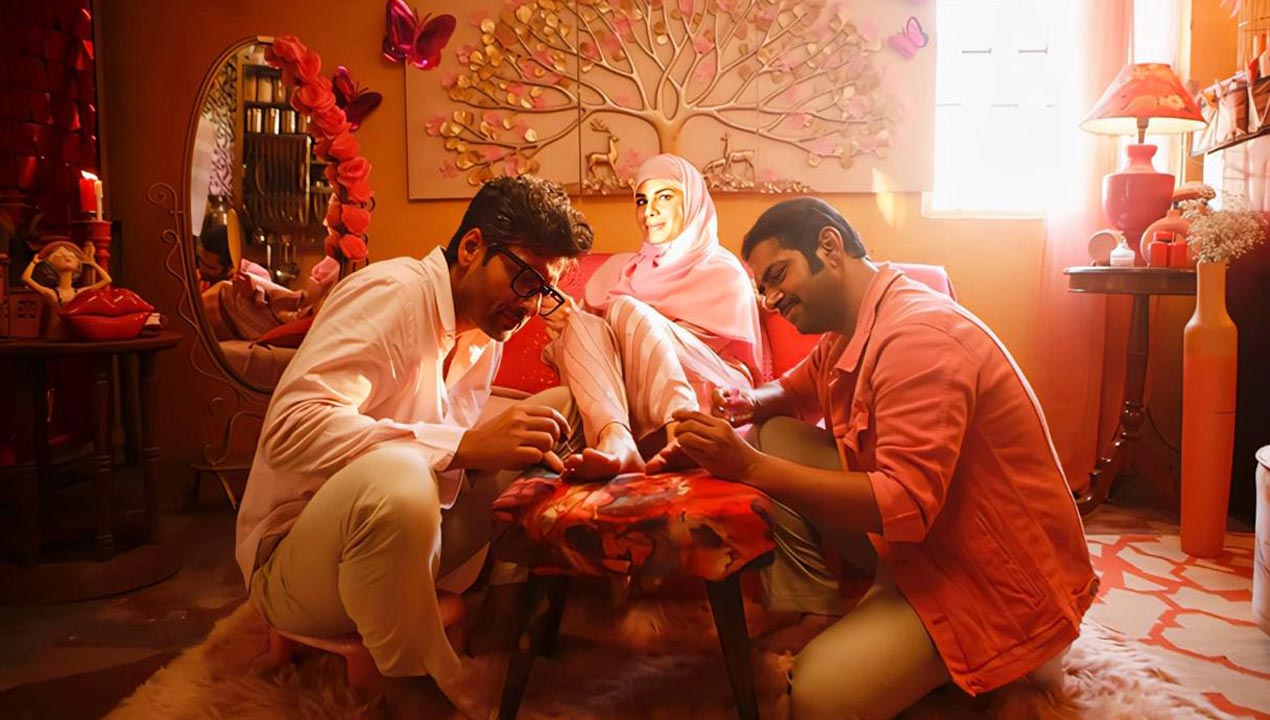
Tannishtha Chatterjee’s Full Plate Concludes IFFM 2026; Kirti Kulhari Starrer Delivers a Moving Finale!
Tannishtha Chatterjee’s directorial venture, Full Plate, served as the official Closing Night selection for the 17th Indian Film Festival of Melbourne (IFFM) on August 23, 2026. Centred on themes of culinary passion, identity, patriarchy, and female self-discovery, the film features Kirti Kulhari in the leading role. Actor Sharib Hashmi attended the screening in Melbourne to represent the project and engage with Australian viewers.
Full Plate follows a homemaker with an innate gift for cooking, whose relationship with food becomes a way of asserting her identity in a world that constantly expects her to conform. At its heart, the film looks at the everyday negotiations women make within family and society while finding their own voice and sense of self.
For Tannishtha Chatterjee, having Full Plate as the closing film of IFFM 2026 held a special significance. The festival screening gave the film an opportunity to conclude its IFFM journey on a meaningful note while continuing the conversations around individuality, identity and choice that lie at the heart of the story.
Festival Director Mitu Bhowmick Lange said, “IFFM has always tried to create a space where different kinds of Indian stories can find an audience, and Full Plate is a film that fits beautifully into that spirit. Tannishtha has approached a familiar world with a very personal perspective, and the film opens up conversations around women, family, identity and the expectations placed on them. It felt right to have Full Plate as part of our Closing Night because we wanted to end the festival with a film that stays with the audience even after the screening is over. We were very happy to bring Tannishtha’s work and Kirti’s performance to our Melbourne audience.”
With its focus on the complexities of a woman’s everyday life and the quiet ways in which individuality can be reclaimed, Full Plate gave IFFM 2026 a fitting closing note. The film formed part of a diverse festival programme featuring more than 130 films across 36 languages, reflecting IFFM’s continued focus on stories from across India and the Indian diaspora.
By Keerti Kadam