

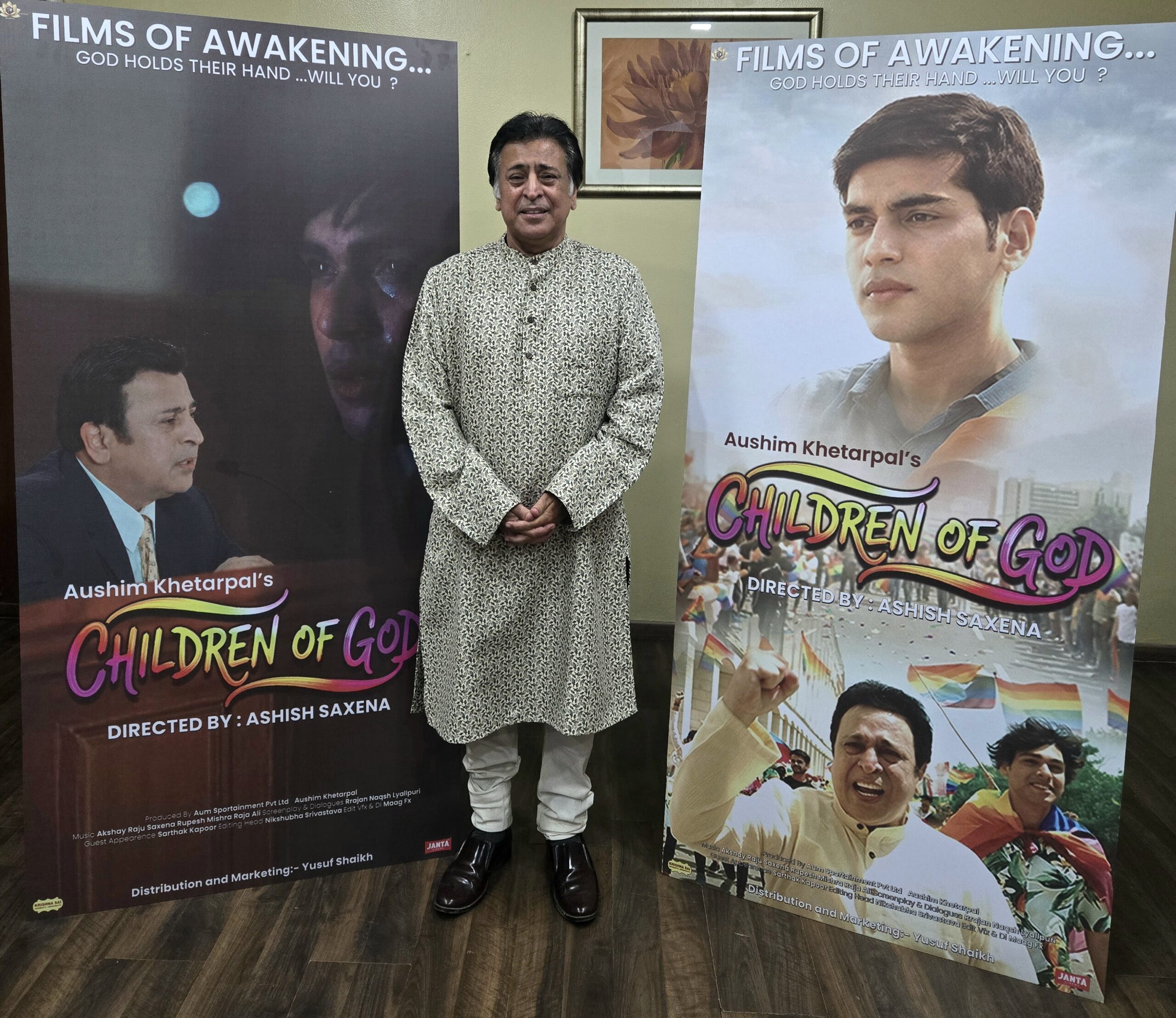
Interview: Aushim Khetarpal: ‘Children Of God’ seeks to foster empathy and dignity for transgender people!
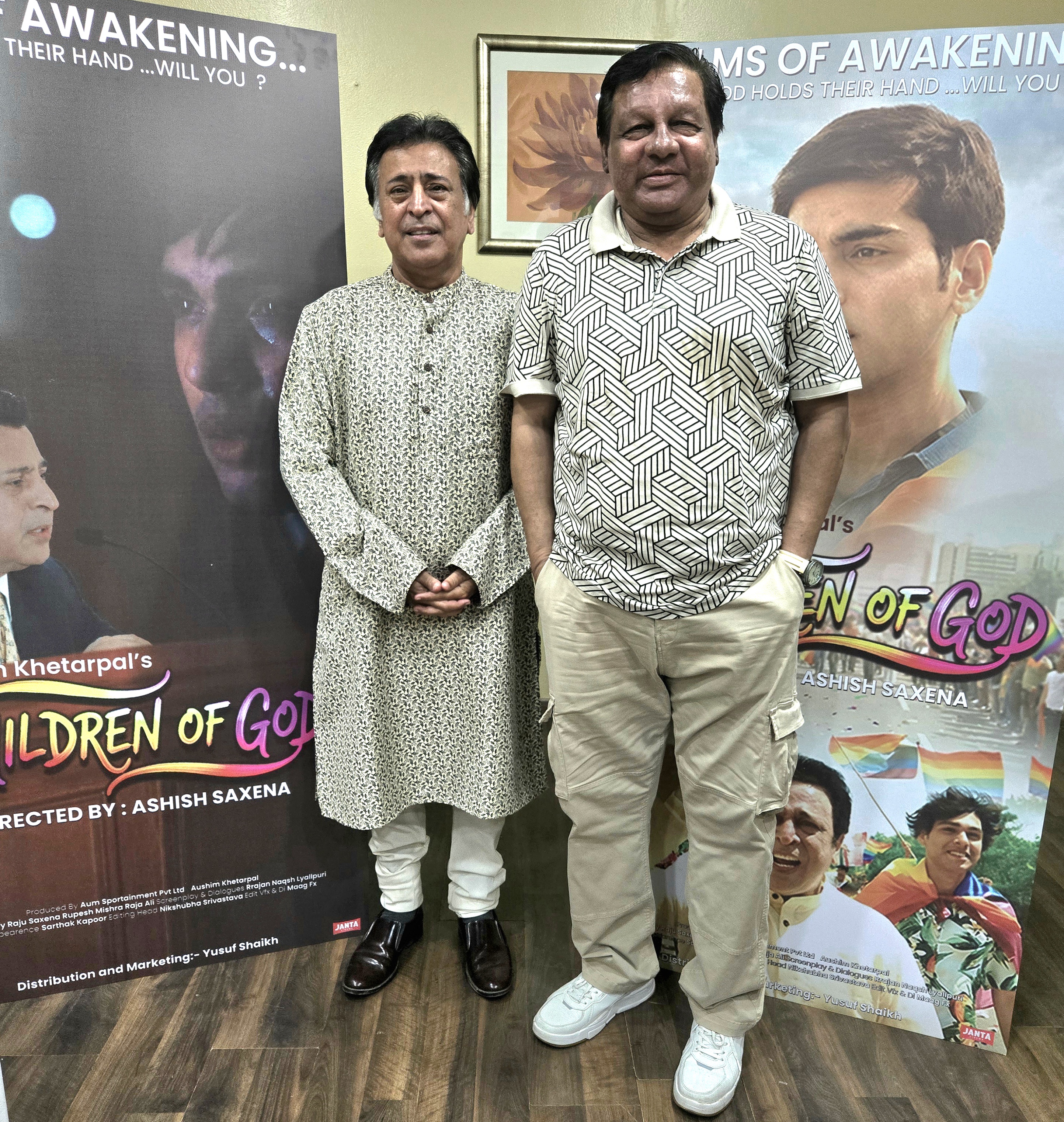
 Aushim Khetarpal, the filmmaker behind the iconic Sai Baba film and one of India’s most recognized spiritual content creators, has spent over two decades spreading messages of faith, compassion, and social awareness through cinema and television. Recipient of the prestigious National Integration Award, he has produced thousands of hours of spiritual programming that has reached audiences across the globe. His latest film Children Of God focuses on the transgender community and aims to promote empathy, dignity, and inclusion. In this candid conversation, he speaks about his cinematic journey, spiritual beliefs, social initiatives, and the inspiration behind his latest socially relevant project.
Tell us about your background and journey in films.
Khetarpal: I have been associated with the entertainment industry for over two decades. One of my most significant projects was Sai Baba, an iconic film that received the prestigious National Integration Award at Rashtrapati Bhavan. The film featured over 160 artists, including Dharmendra and Shammi Kapoor. Since then, I have produced thousands of hours of Sai Baba-related content that has been telecast worldwide. My recent work focuses on socially relevant cinema that promotes awareness, compassion, and positive change.
What is your new film about?
Khetarpal: The film is inspired by true events and highlights the lives and struggles of the transgender community. During the COVID-19 pandemic, many members of this community contributed to society by making masks when livelihoods were disrupted. The story follows an individual’s journey of self-discovery, acceptance, and belonging. Above all, the film seeks to foster empathy and dignity for transgender people and advocates for their rightful place in society.
What did your research reveal about the transgender community?
Khetarpal: I discovered that society often misunderstands them. Beneath the stereotypes are people capable of immense love, loyalty, and compassion. If treated with respect, they respond with genuine affection. The film attempts to present this human side, which is rarely seen.
How is this film different from previous films on the subject?
Khetarpal: Rather than portraying stereotypes, the film explores the emotional and spiritual realities of transgender lives. It focuses on acceptance, blessings, family traditions, and the deep cultural respect historically accorded to them. It is a story about humanity and inclusion.
Was it difficult playing a character inspired by your real-life work?
Khetarpal: Not particularly. Acting always requires preparation, but since the role reflects many of my real-life experiences, it felt natural. However, every performance demands discipline and sincerity.
There have been controversies regarding Sai Baba’s identity. What is your view?
Khetarpal: I have always chosen to focus on Sai Baba’s teachings rather than controversies. For over twenty-five years, my effort has been to spread his message of love, unity, and faith. My work has never been about personal recognition but about serving a larger purpose.
What motivates your social and spiritual work?
Khetarpal: I believe I was guided toward this path. Like everyone else, I once pursued worldly ambitions, but life eventually led me toward service. The success of my Sai Baba projects reinforced my belief that when one’s intentions are pure, the right opportunities follow.
Why did you refuse offers to portray Sai Baba on screen?
Khetarpal: I see myself as a narrator and messenger, not as Sai Baba. It is important to preserve history and maintain clarity about one’s role. I have always preferred to share his message rather than portray him.
What would you like audiences to take away from this film?
Khetarpal: This is a film of awakening. If it inspires even a few people to become more compassionate and understanding, it will have achieved its purpose. Cinema has the power to touch hearts and transform perspectives, and that is the impact we hope to create.
By Keerti Kadam