

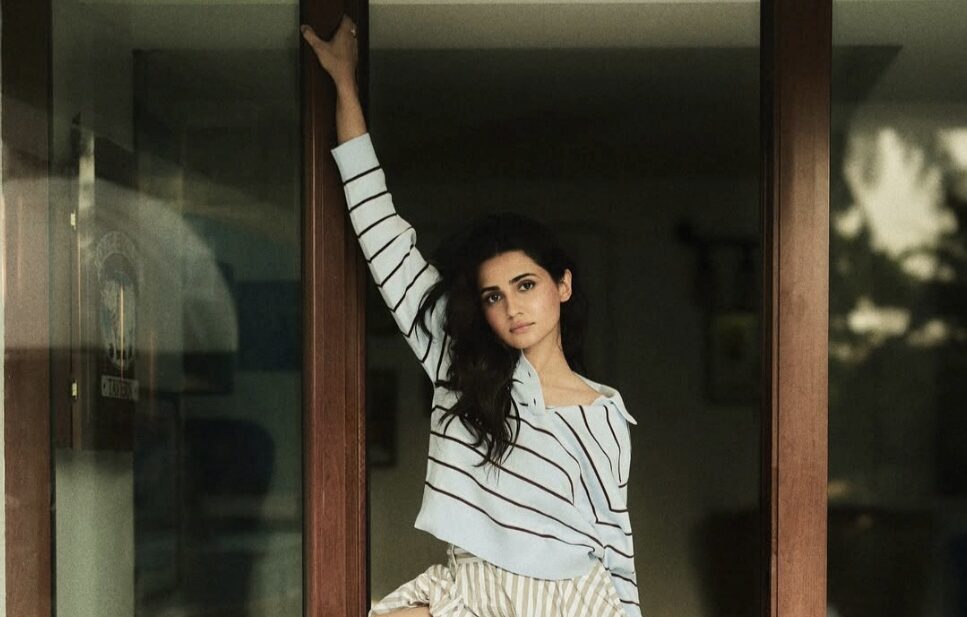
Interview: Vedika Pinto: We All Carry Different Emotional Shades Depending On The Situations We Face!
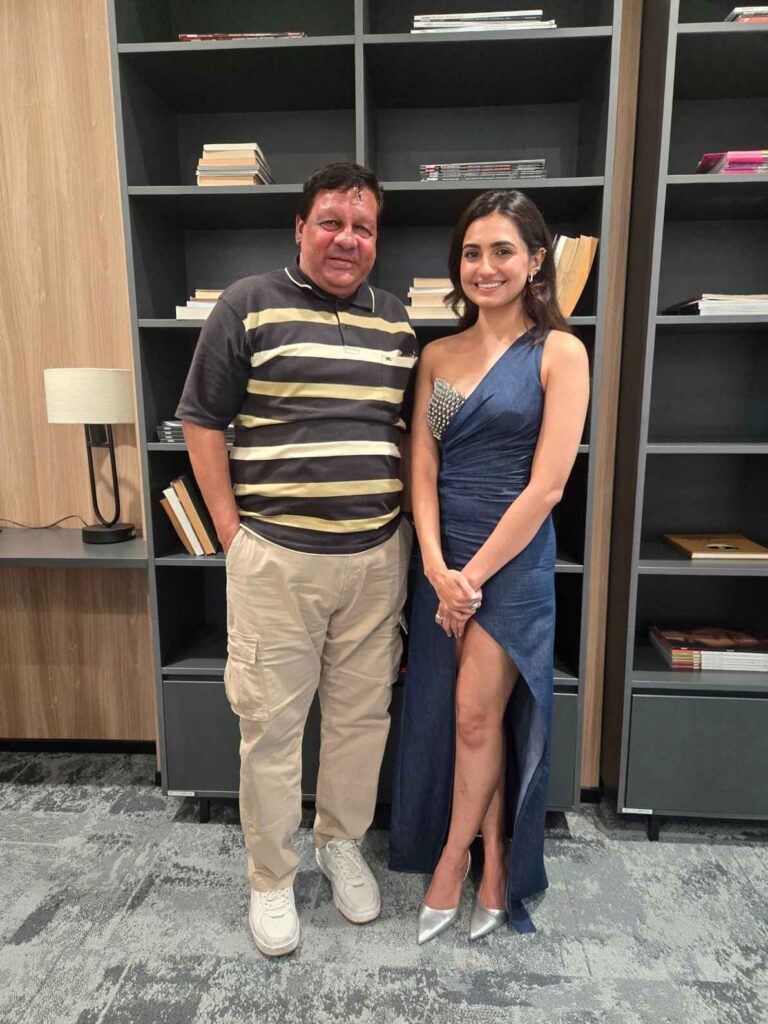 Vedika Pinto has emerged as one of the most promising young talents in Hindi cinema, earning praise for her ability to portray diverse and layered characters. She made an impressive acting debut with Operation Romeo and went on to showcase her versatility in Gumraah alongside Aditya Roy Kapur and Mrunal Thakur. Her performance in Anurag Kashyap’s Nishaanchi received widespread appreciation for it’1qs intensity and authenticity, while her appearance in the chartbuster music video Liggi made her a familiar face among younger audiences. Now, Vedika is set to explore the softer shades of romance in Netflix’s #MusafirCafe, where she plays a nuanced and emotionally rich character. In this exclusive interview with our Sr Editor Keerti Kadam, Vedika speaks about choosing challenging roles, working with Vikrant Massey and Mahima Makwana, the importance of mutual respect on set, and why she believes romance deserves a strong revival on screen.
Q: There is often a perception that female actors don’t get along. Were there any catfights on the sets of Musafir Cafe?
Vedika Pinto: I think such situations can happen, but they have more to do with individual insecurities than gender. If you carry insecurity onto a set, resentment is bound to build up. Fortunately, Mahima and I approached the project with mutual respect, which made working together effortless. The atmosphere on our set was filled with warmth and encouragement, and that naturally reflected on screen.
Q: How did Musafir Cafe come your way?
Vedika: I was promoting Nishaanchi when casting director Karan Mally called me about a Netflix love story. At that point, I was still mentally immersed in the intense world of Nishaanchi, so switching to romance felt unusual. But I trusted Karan’s instincts and was eager to explore a softer genre after films like Gumraah, Operation Romeo and Nishaanchi. After several auditions and a chemistry test with Vikrant Massey, I read the script and immediately knew I wanted to be part of it. The story was beautifully written, and the emotional journey of its three central characters was impossible to resist.
Q: Were you intimidated about working with Vikrant Massey?
Vedika: Absolutely. Before meeting him, I was nervous because he is such a respected and accomplished actor. But those fears disappeared almost instantly. Vikrant is an incredibly generous performer who gives so much to every scene that it naturally brings out the best in his co-actors. My initial intimidation quickly turned into admiration, and we developed a wonderful creative chemistry.
Q: How was your bond with Mahima Makwana?
Vedika: I have immense respect for Mahima’s journey. She has been acting since childhood, and that’s inspiring. More importantly, there was genuine affection and mutual respect among the entire cast and crew. Such an atmosphere doesn’t exist on every set, and I believe that positive energy contributed immensely to our performances.
Q: Since Musafir Cafe is based on a novel, did you read the book before filming?
Vedika: I hadn’t read it before shooting, although I knew it was quite popular. Interestingly, I first discovered it in my own kitchen because our cook, Soni, was reading it. Later, my grandmother borrowed it, and eventually it found its way to me. I read it after the shoot. While the series retains the essence of the novel, the characters and story have evolved significantly, with a much stronger female perspective.
Q: How much do you relate to your character, Sudha?
Vedika: I honestly believe every woman has a little bit of both Sudha and Preeti within her. We all carry different emotional shades depending on the situations we face. That’s what makes these characters so relatable and human.
Q: Do you think Musafir Cafe works better as a web series than as a film?
Vedika: Yes. The writer has explored the emotional layers of every character in great detail, and that depth would have been difficult to achieve in a feature film. A series gives audiences more time to connect with the characters and experience their emotional journeys. As actors, we trusted the writer’s vision completely.
 Q: Romance has become relatively rare on OTT. Do you think audiences still want such stories?
Vedika: Definitely. Personally, I love ending my day by watching something warm and comforting. Crime thrillers can be exciting, but they also keep you awake. Romantic stories leave you with a sense of happiness and emotional fulfilment. I think audiences have been waiting for shows that celebrate love again.
Q: Your career has moved from Liggi to intense films like Nishaanchi and now to Musafir Cafe. Are you happy with this diversity?
Vedika: Very much. I feel fortunate that no two projects in my career have been alike. As actors, we constantly want to challenge ourselves and discover new facets of our abilities. Every character allows me to explore a different side of myself, whether it’s the carefree girl from Liggi, the gritty world of Nishaanchi, or the romantic and emotionally layered Sudha in Musafir Cafe.
Q: Nishaanchi received appreciation for your performance but didn’t perform well commercially. How did you deal with that?
Vedika: It was heartbreaking because I had invested nearly three years of my life in that film—from workshops to learning the dialect and preparing for the role. Naturally, you hope such a project will find its audience. The theatrical performance was disappointing, and its OTT release happened without much notice. However, with time I’ve realised that many things are beyond an actor’s control. What remains with me is the pride of having been part of Nishaanchi and the appreciation I continue to receive for my performance.
Q: How collaborative was the creative process while shaping your character?
Vedika: Our writer, Sharanya, handed me the script with a beautiful note asking me to make the character my own. Although she had spent nearly two years writing it, she encouraged all of us to contribute our perspectives. Our workshops became creative discussions where scenes, dialogues and even small moments evolved collectively. It was a genuinely collaborative experience, and I think that’s one of the reasons the characters feel so authentic.
By Keerti Kadam